ASIA'S BURNING : BEAT THE HEAT AND AVOID HEATSTROKE IN 2024
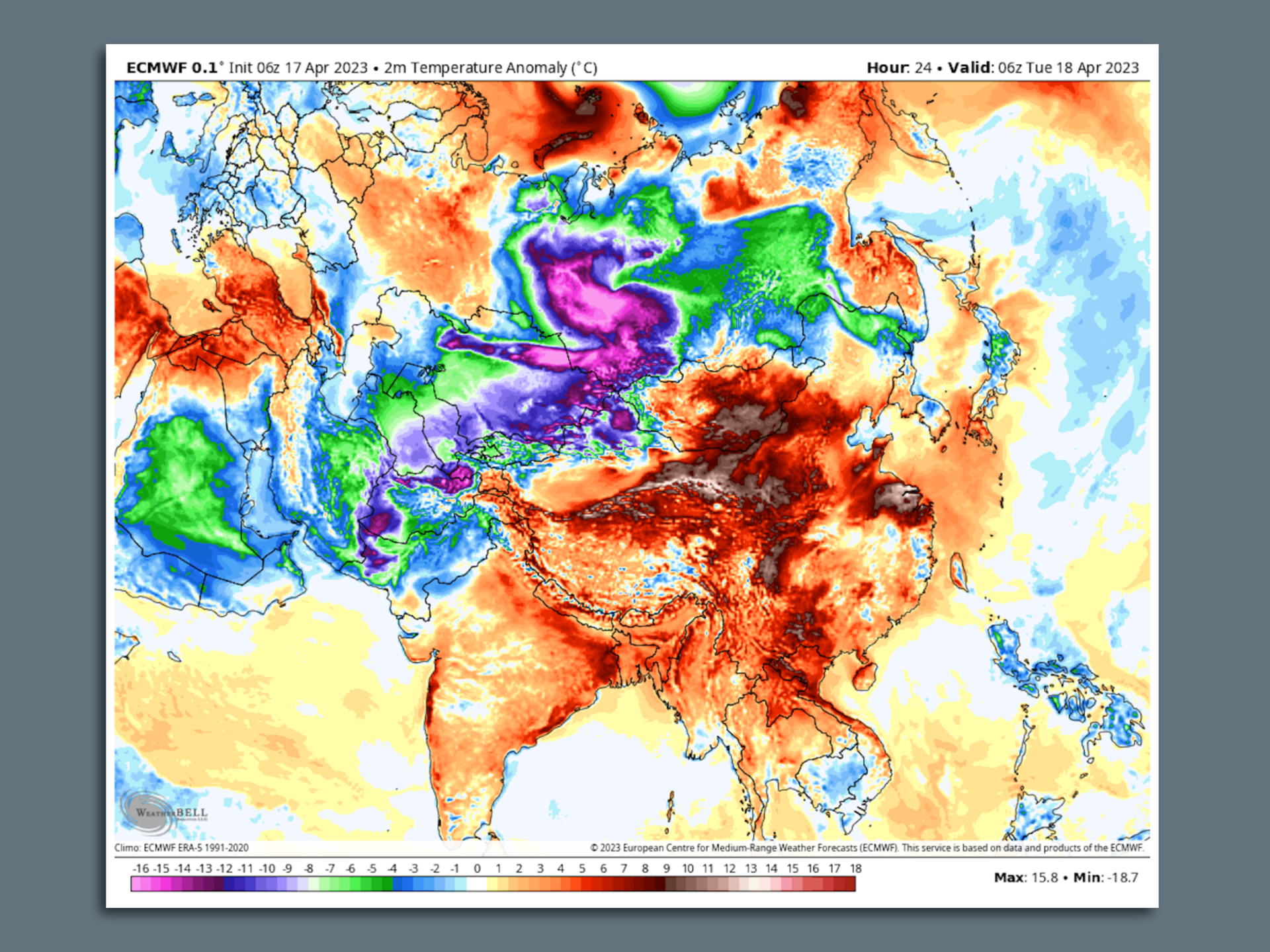
Imagine stepping outside and feeling like you've walked straight into a hot oven. That's the reality facing much of Asia this summer. Record-breaking temperatures are turning bustling cities and fertile farmlands into sweltering cauldrons. These heatwaves aren't just a matter of discomfort; they're a full-blown crisis with far-reaching consequences.
What is Heatstroke?
Heatstroke, also known as sunstroke, is a severe heat-related illness characterized by a body temperature of 104°F (40°C) or higher. It occurs when the body's temperature regulation system fails, and it is unable to cool itself down through sweating. Heatstroke can be life-threatening and requires immediate medical attention.

More Than Just Sweat: Feeling the Heat in Your Wallet
The scorching sun isn't just a health hazard; it's a major economic burden. Think about it: construction workers can't safely work outside, crops wither in the heat, and office employees struggle to focus in sweltering conditions. This all adds up to a domino effect. Supply chains get disrupted, food prices rise, and food security becomes a concern [1].
Social Disruption and the Disappearing Bucket
The heatwave is also putting a strain on everyday life. Power outages become more common as everyone cranks up their air conditioners, leaving people without relief from the heat [2]. Water scarcity worsens as demand shoots up, leading to potential conflicts over this precious resource. Traditional summer celebrations, religious festivals, and even bustling street markets – the lifeblood of many communities – have to be canceled or drastically scaled back

Making things worse, many Asian countries simply weren't prepared for this heatwave. Think about it this way: aging power grids can't handle the extra strain, leaving people without AC or even basic refrigerators. Water treatment facilities struggle to keep up with the increased demand, and public transportation often leaves people baking in the sun on their commutes.
Another factor? Procrastination. While scientists have been warning us about climate change and the increasing severity of heatwaves for years, many countries haven't invested in long-term solutions like stronger infrastructure and heat mitigation strategies. Instead of being proactive, we're left scrambling for temporary fixes during each crisis.
Solutions for a Cooler Future
The good news is, we can still turn the tide on this heatwave crisis. Here's how:
- Simple Steps, Big Impact: Staying hydrated, wearing loose, breathable clothing, and limiting strenuous activity during the hottest parts of the day can make a big difference. Spreading awareness through community campaigns can help everyone stay safe.
- Building a Shield: Governments need to invest in upgrading their infrastructure to be more heat-resistant. This includes building stronger power grids, creating early warning systems for heatwaves, and providing support to vulnerable populations like the elderly and young children.
- Going Green for Good: We need to shift away from fossil fuels and embrace renewable energy sources like solar and wind power. This tackles climate change at the root cause, helping to prevent future heatwaves [3].
- Adapting Traditions: It's time to rethink how we live in a hotter world. Communities can embrace heat-resistant construction practices, and traditional summer activities can be shifted to cooler times of the day.
A Call to Action: A Cooler Future for Asia
The heatwave crisis is a stark reminder of how interconnected we are with our environment. By taking individual action, supporting proactive government policies, and embracing sustainable practices, we can build resilience against future heatwaves. Let's work together to turn down the heat and ensure a cooler, healthier, and more prosperous future for Asia. Remember, every drop of water saved, every tree planted, and every step towards sustainability makes a difference.
References:
- The Economic Effects of Extreme Heat in India : https://www.reuters.com/world/india/indias-heatwaves-putting-economy-development-goals-risk-study-2023-04-19/
- Heatstroke Basics: https://www.cdc.gov/disasters/extremeheat/index.html
- How to Prepare for Extreme Heat : https://www.betterhealth.vic.gov.au/health/healthyliving/how-to-cope-and-stay-safe-in-extreme-heat

